


Who Decides What Africa Looks Like?
The current regulations introduced by the Burkinabè government regarding the use of images depicting vulnerable people have sparked a debate that goes far beyond the question of which photographs humanitarian organisations are allowed to use. At its heart is a question that is also highly relevant to us at the Opera Village: Who tells whose story – and what images emerge from that?
Images shape the way we see and understand the world. For decades, representations of the African continent have predominantly focused on poverty, hunger, illness and need. People are often portrayed as passive recipients of aid. Such images can attract attention and mobilise donations, but at the same time they can reinforce a one-sided narrative about an entire continent.
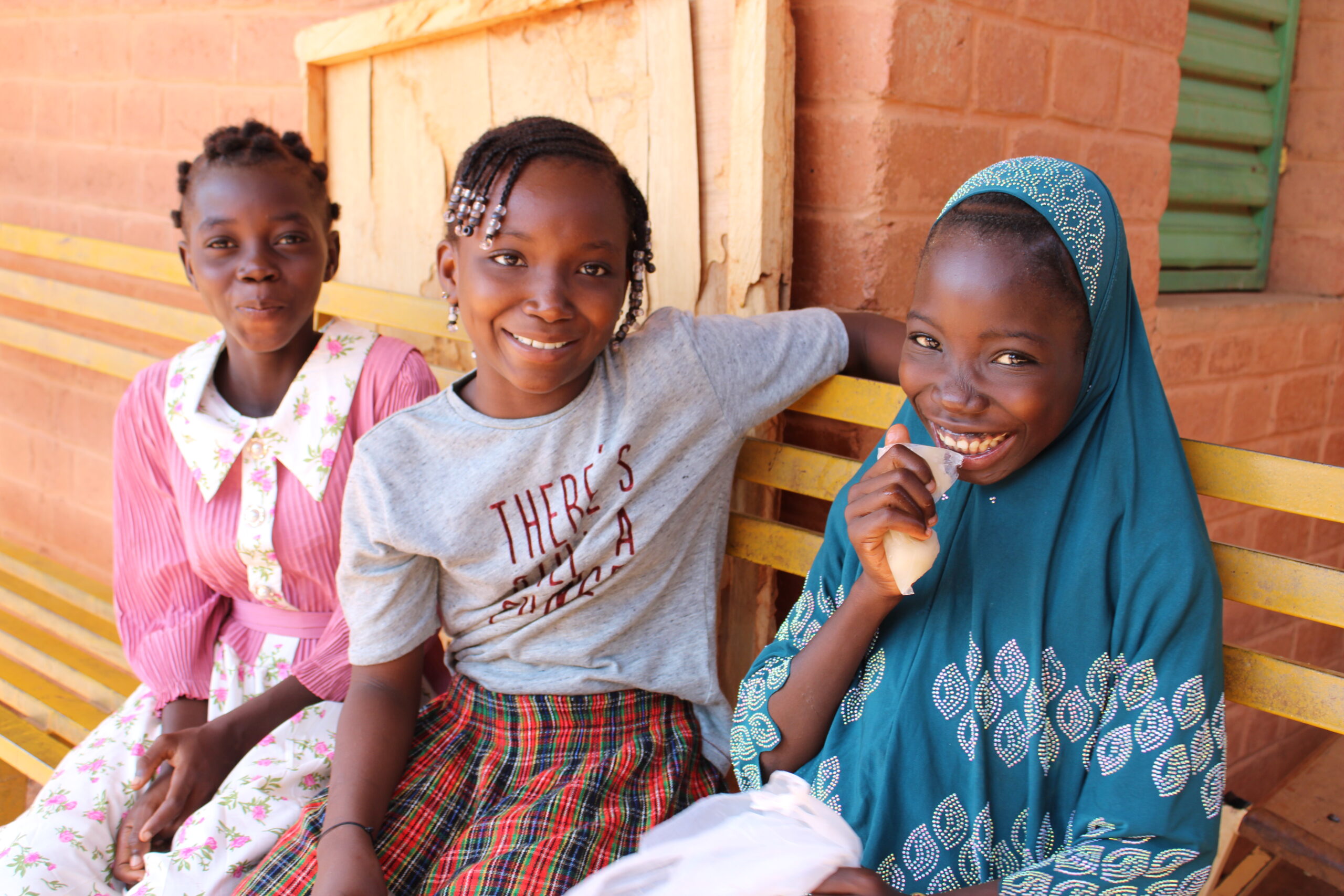
For us, it has therefore been important from the very beginning to make different images and our own narratives visible. Our approach is based on collaboration, cultural exchange and the conviction that people should not be reduced to their needs or vulnerabilities. Art is an important tool in this process: it creates spaces in which people can express their own perspectives, ideas and stories. For our communication, this means that we do not want to portray people merely as “those affected”, but as active agents – as artists, students, staff members and neighbours. We want to tell stories of self-determination, creativity and social change without ignoring the complex realities on the ground.
At the same time, we also need to continuously question our own practices. We too decide which images we show and which stories we tell. We too navigate the tension between visibility, public relations and our responsibility towards the people we work with. Not every image that tells a compelling story is automatically the right image. This raises questions for us again and again: Who decides how someone is portrayed? Was the person asked for their consent? What story does an image tell – and what might it leave invisible? And are we perhaps unconsciously reproducing exactly the stereotypes we are trying to overcome?
We do not want to answer these questions from the position of having already got everything right. Quite the opposite: the current debate is an opportunity for us to further reflect on and improve the way we work with images and narratives.
Our goal is not to replace a “negative image of Africa” with a “positive” one. Burkina Faso is neither solely a place of crisis nor solely a place of hope and creativity. It is a complex place shaped by diverse perspectives, experiences and stories. We simply want to contribute to making this diversity visible – and to creating more space for people to tell their own stories.
Perhaps that is one of the most important possibilities of art: not only to create new images, but to create new perspectives on who is seen, who gets to tell the story, and who gets to define their own story.
